
iMigraine

VASCULAR AND SECONDARY HEADACHES
Some headaches don’t quite fit into the classic migraine categories but are still deeply tied to how blood flows through the brain. This page explores uncommon vascular and secondary headaches - many of which are rare, often underdiagnosed, and occasionally mistaken for migraine.
VASCULAR HEADACHE TYPES
Posterior Circulation and Ischemic Headaches
Vascular headaches can stem from reduced blood flow in key brain arteries, especially the posterior cerebral artery or internal carotid artery. These cases may cause intense, one-sided, non-throbbing pain that sometimes mimics stroke or orbital migraine.
Some patterns have been linked to conditions like vertebrobasilar ischemia, ophthalmic division ischemia, or Raeder's syndrome, a rare paratrigeminal neuralgia causing eye pain.
Postural and Post-Surgical Headaches
Other vascular-related headaches may arise after endarterectomy surgery or due to postural hypotension, particularly in older adults or those recovering from cardiovascular events. While niche, these headaches should not be overlooked when investigating recurring pain after vascular procedures.
Thunderclap Headache
Thunderclap headaches are sudden, explosive headaches that reach peak intensity in seconds. Although frightening, imaging often shows no hemorrhage or aneurysm.
Possible causes include:
-
Reversible cerebral vasoconstriction syndrome (RCVS)
-
Unruptured aneurysm
-
Mimic migraine aura or basilar migraine
Because of their abrupt onset, any thunderclap headache should be treated as a medical emergency until serious causes are ruled out.
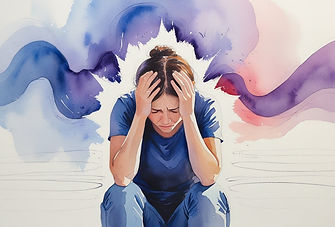
Basilar Artery Migraine
Historically seen in young women, especially adolescents, basilar artery migraine causes dramatic neurological symptoms like:
-
Vertigo
-
Ataxia
-
Tinnitus
-
Temporary vision loss in both eyes
Often triggered by stress or hormonal changes, this subtype was once considered separate but is now part of the migraine spectrum. Treatment usually involves standard migraine therapies, sometimes with anticonvulsants.
PRESSURE-SENSITIVE HEADACHES
Cough Headache
Brought on by sneezing, straining, or coughing, these sharp, stabbing headaches tend to affect the back of the head or neck.
Most are benign and respond to indomethacin, though some have links to conditions like:
-
Chiari malformation
-
Posterior fossa tumors
MRI is often needed to rule out structural abnormalities.

Orgasmic Headache
Also called coital headaches, these occur during or after sexual activity. While some are benign, SAH must always be excluded through proper workup.
Symptoms may include:
-
Explosive pain at orgasm
-
Lingering ache after sex
-
Positional sensitivity
HEADACHES LINKED TO SUBSTANCES OR SYSTEMIC CAUSES
Substance-Induced Headaches
Chemicals that can trigger or worsen headaches include:
-
Nitroglycerin
-
Caffeine
-
MSG
-
Ergotamine
-
Alcohol
-
Nitrates
-
Carbon monoxide
Headaches may also follow withdrawal from these substances.


Metabolic and Hormonal Headaches
Rare but informative, these headaches arise from systemic imbalances such as:
-
Hypoxia (altitude sickness)
-
CO2 retention (hypercapnia)
-
Hypoglycemia
-
Dialysis-related causes
-
Adrenal dysfunction or other hormonal shifts
While medically complex, they provide insight into how systemic conditions interact with neurological pain.
WHEN TO SEEK HELP
If you experience a sudden, severe, or unfamiliar headache -especially one that differs from your usual migraine it’s essential to seek medical attention. Many of the headaches on this page mimic or overlap with migraine but may signal more serious underlying issues.
DISCLAIMER
This page is for educational purposes only. It does not replace professional medical advice. If you are experiencing a sudden or severe headache, seek emergency care.